
At a Glance:
- Corporate events aim for business growth, branding, and measurable outcomes, while social events centre on emotion, connection, and celebration.
- Corporate events involve structured planning, detailed logistics, and defined objectives such as networking, training, or product promotion.
- Social events bring people together for personal milestones like weddings, anniversaries, or birthdays, prioritising ambience and guest enjoyment.
- Understanding the differences between event types helps organisers choose the right event management company.
Corporate and social events share similar requirements, including venues, catering, and design elements. However, the purpose and event management process for each is different. One aims to involve clients and stakeholders, while social events celebrate personal milestones and meaningful memories.
Corporate and social events have different goals, tones, and expectations. Corporate gatherings focus on strategy, branding, and measurable results, whereas social events emphasise emotion, atmosphere, and personal connection. Understanding these differences is crucial for effective event planning and successful execution.
In this article, we will explore the key differences in planning between corporate and social events. These include event objectives, audiences, budgets and management requirements. Let’s start by understanding what corporate events are.
What are Corporate Events?
Corporate events are strategic gatherings designed to achieve specific business goals. Whether the goal is to improve client relationships, encourage teamwork, or present new products, every detail is carefully planned. These events showcase an organisation’s identity and play an important role in building trust, fostering communication, and driving growth among internal and external audiences.
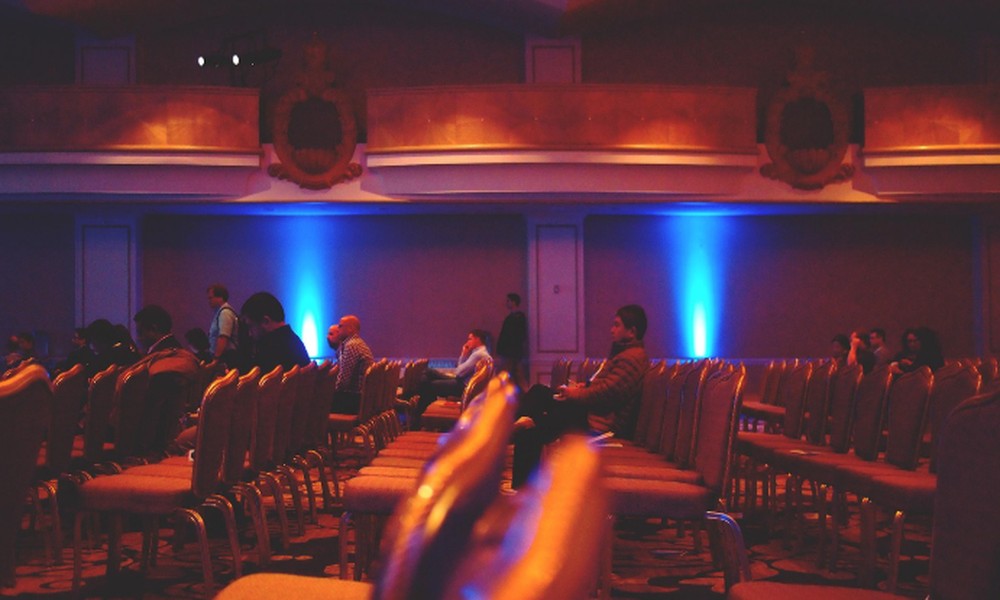
Large-scale business conferences, trade exhibitions, product launches, training sessions, and executive retreats are some examples of corporate events. The tone and structure of these events are guided by professionalism, precision, and the need to deliver a lasting business impact.
Corporate events are carefully tailored for their audience, such as staff, stakeholders, or clients. Successful planning emphasises smooth logistics and measurable results like lead generation, brand awareness, or boosted morale. When executed well, these events enhance the company culture and create lasting value.
What are Social Events?
Social events are personal gatherings meant to celebrate, connect, and share meaningful moments. Unlike corporate events, they focus on emotions and celebration instead of strategic goals. They bring people together for milestones, traditions, and shared experiences by creating joy, strengthening relationships, and building memories that last well beyond the event itself.
These events include weddings, anniversaries, milestone birthdays, reunions, galas, and themed parties. Each one reflects the personality of the host and the story being celebrated.
Décor, music, and entertainment are key in setting the tone and creating the right atmosphere. Every detail affects how guests feel, from lighting and floral arrangements to playlists and menus. These details come together to create a shared experience that connects people and builds memories.
Corporate vs Social Events Planning: Side-by-Side Comparison
The planning process for corporate and social events differs in purpose, tone, and execution. The table below highlights these key distinctions.
|
Planning Factor |
Corporate Events |
Social Events |
|---|---|---|
|
Primary Objective |
Achieve business goals such as brand visibility, networking, lead generation, or team alignment. |
Celebrate personal milestones, relationships, or achievements. |
|
Audience Type |
Employees, clients, stakeholders, or industry partners. |
Family, friends, and personal connections. |
|
Tone & Atmosphere |
Formal, strategic, and brand-aligned. |
Emotional, casual, and highly personalised. |
|
Budget Focus |
Structured with defined ROI and allocated by department or sponsor. |
Flexible, based on personal preference and scale of celebration. |
|
Venue Selection |
Chosen for functionality. Hotels, conference centres, or corporate resorts. |
Chosen for ambience. Banquet halls, outdoor venues, or themed spaces. |
|
Event Management Needs |
Requires professional event planners with corporate experience and vendor coordination. |
Can be managed independently or through a social event planner. |
|
Technology Integration |
Extensively used for presentations, registration, live streaming, and analytics. |
Moderate, used mainly for entertainment, lighting, or photography. |
|
Success Metrics |
Measured by ROI, attendee engagement, and business outcomes. |
Measured by guest satisfaction and memorable experiences. |
|
Planning Timeline |
Structured and approval-based with detailed scheduling and contingency planning. |
Corporate events are organised with specific goals in mind, and their success is often measured using metrics such as engagement or ROI. In contrast, social events rely on emotion and creativity. They emphasise atmosphere, relationships, and personal significance. Understanding these differences enables planners to use their time and skills effectively for each event type.
If you are planning a corporate event, doing it alone can be overwhelming. Partnering with an experienced event management company ensures every detail is seamless, impactful, and aligned with your business goals.