
Luxury vehicle transportation demands a level of operational precision that standard recovery procedures are not built to deliver. The right tow truck for a high-value vehicle job is selected based on the vehicle’s clearance height, drivetrain type, weight, and the distance covered during transport. A mismatch between the vehicle and the recovery method causes paint, panel, or mechanical damage that produces costly repair bills and liability disputes between the vehicle owner and the towing operator. Operators who specialize in luxury vehicle transport invest in the equipment, training, and handling procedures that eliminate contact damage risk from the point of loading through to final delivery.
Flatbed enclosed transport
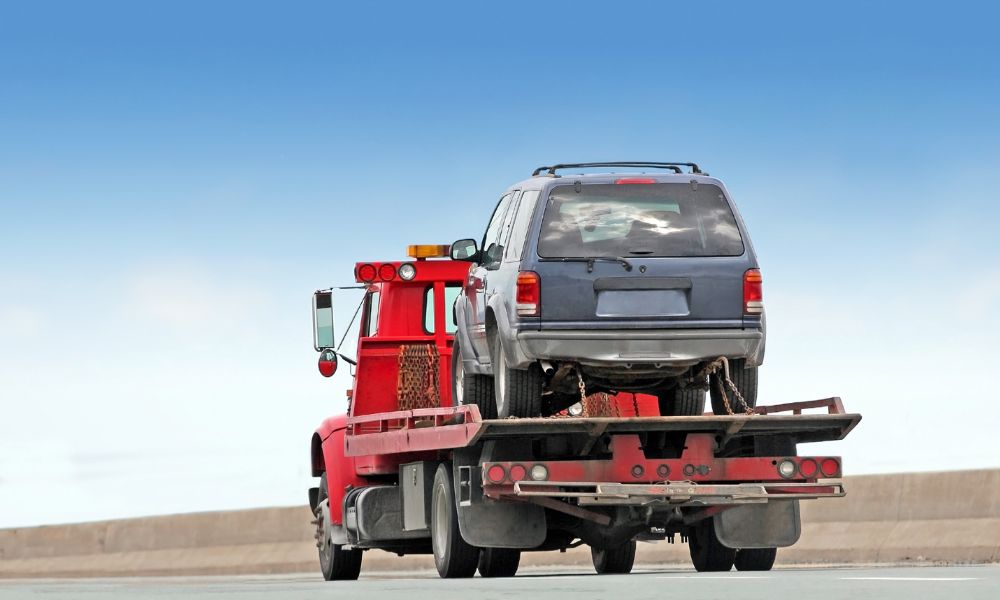
Flatbed tow trucks with low-angle loading ramps are the baseline requirement for luxury vehicle transportation. Hydraulic tilt platforms lower to a shallow angle so that low clearance vehicles can load without damaging the front splitter, rear diffuser, or undercarriage components. Metal hooks and chains are replaced entirely with soft tie-down straps that make contact only with designated tie-down points on the vehicle chassis. It is possible to secure tyres using wheel nets without damaging painted bodywork or brake callipers. An enclosed transport carrier extends this protection even further, enclosing the vehicle in a fully sealed trailer to protect it from road debris, dust, moisture, and UV rays during long-distance transportation.
Operator skill documentation
Operators handling luxury vehicles follow loading and securing procedures that are more detailed than those applied to standard vehicle recovery. Pre-load inspection documents the vehicle’s existing condition in writing and through photographs taken from multiple angles before the vehicle is touched. Any pre-existing marks, scratches, or panel imperfections are recorded and signed off by the vehicle owner or their authorized representative before the truck departs. This process protects both the operator and the vehicle owner from disputes arising at the point of delivery when existing marks are incorrectly attributed to the transport process.
- Soft tie-down straps are used exclusively to avoid contact with painted surfaces
- Pre-load photographic documentation is completed before loading begins
- Low-angle hydraulic ramps prevent undercarriage contact during vehicle loading
- Enclosed carriers are used for interstate or long-haul luxury vehicle transport
- Condition sign-off completed by the vehicle owner prior to truck departure
- Delivery inspection conducted at the destination with the owner or representative
Transport insurance coverage
Luxury vehicle transport requires insurance coverage that reflects the replacement value of the vehicle being moved. Standard operator liability policies carry coverage limits that fall below the value of many luxury vehicles. Operators specialising in high-value transport carry agreed-value or declared-value policies that cover the full replacement cost of each vehicle accepted for transport. Vehicle owners confirm insurance coverage terms in writing before authorizing the job, and the towing operator provides a copy of the relevant policy section that applies to the specific vehicle category and declared value applicable to the transport being arranged.
Luxury vehicle transportation requires flatbed or enclosed equipment, trained operators, detailed condition documentation, and insurance coverage matched precisely to the vehicle’s declared value. Each element works together to protect the vehicle throughout the entire transport process from initial loading at the collection point through to confirmed delivery inspection completed at the final destination by the owner or authorized representative.