
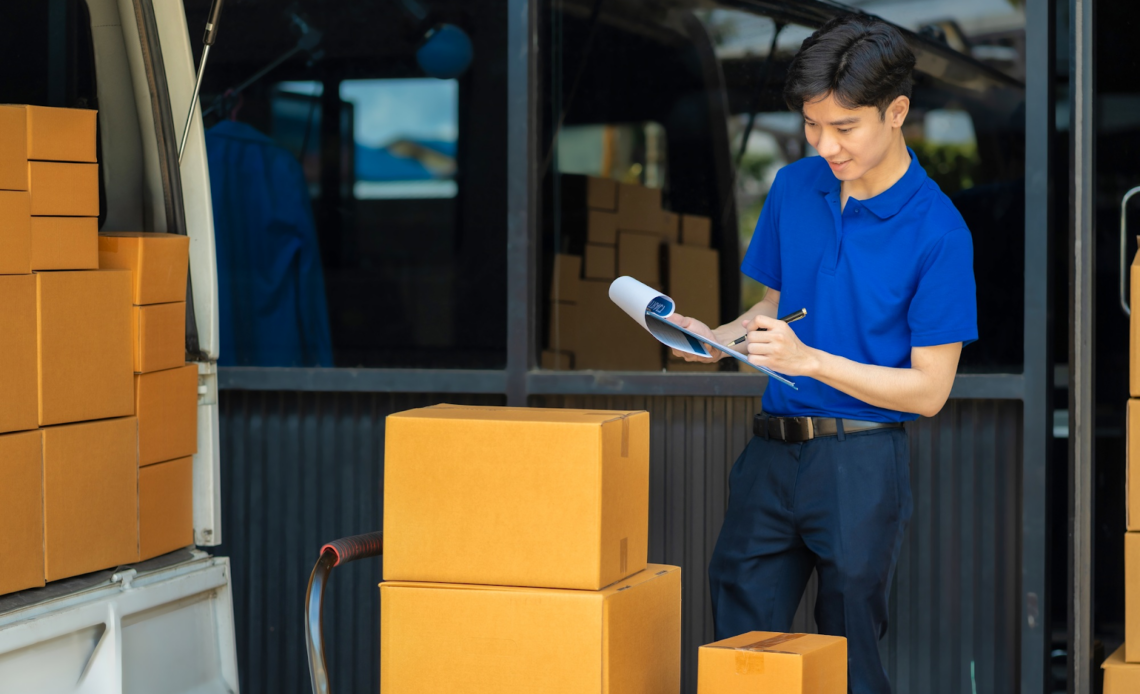
Ecommerce fulfillment services are a core pillar of online retail operations, ensuring that products reach customers accurately, efficiently, and at a sustainable cost. Well-executed fulfillment directly influences customer satisfaction, loyalty, and brand perception. From order placement to final delivery, every step of the fulfillment process shapes how customers remember their shopping experience.
In an increasingly competitive ecommerce landscape, streamlined and reliable ecommerce fulfillment services can become a key differentiator. Timely deliveries, accurate orders, and smooth returns all contribute to stronger customer relationships and long-term retention.
Why Fulfillment Matters
Even when the shopping journey feels seamless—from product discovery to checkout—the experience can quickly unravel after purchase if fulfillment falls short. Late deliveries, damaged goods, or incorrect items can overshadow every positive interaction that came before.
The post-purchase phase is especially influential because it leaves a lasting impression. Research consistently shows that a negative delivery experience significantly reduces the likelihood of repeat purchases. In many cases, fulfillment quality determines whether a customer becomes a loyal advocate or a one-time buyer.
What Is Ecommerce Fulfillment?
Ecommerce fulfillment refers to the end-to-end process of receiving, processing, and delivering online orders to customers. It begins with inventory storage and continues through picking, packing, shipping, tracking, and often returns management.
When an order is placed, fulfillment systems transmit the details to a warehouse or fulfillment center. Items are retrieved, packaged securely, labeled, and handed off to shipping carriers for delivery. Throughout the process, orders are tracked to ensure accuracy and timely arrival. Many fulfillment operations also manage reverse logistics, handling returned items by inspecting, restocking, refurbishing, or disposing of products as needed.
The Key Stages of Ecommerce Fulfillment
Fulfillment begins the moment an order is received and continues until the product reaches the customer—or returns to inventory. A robust order management system plays a crucial role, offering visibility across channels and allowing flexibility in order changes and shipping methods.
The fulfillment process typically includes several core stages.
Inventory Storage and Management
Inventory is stored in designated warehouse locations based on factors such as product size, weight, demand, and turnover rate. Each item is assigned a unique identifier to ensure accurate tracking.
Inventory management systems monitor stock levels in real time, helping prevent stockouts and overselling. When orders are placed, these systems coordinate product retrieval, optimizing efficiency while minimizing errors.
Picking and Packing
Picking involves selecting the correct products and quantities from storage to fulfill an order. Packing follows, ensuring items are placed in appropriate containers with protective materials when needed.
Shipping labels are printed and applied during this stage, preparing orders for carrier pickup. Although this process may appear simple, efficiency, accuracy, and cost control depend heavily on well-designed workflows and trained staff.
Shipping and Delivery
Shipping is the final step that places products into customers’ hands. Packages are collected by carriers, tracked throughout transit, and marked as delivered upon arrival.
Shipping software updates order status automatically and adjusts inventory levels, keeping both businesses and customers informed throughout the delivery journey.
Returns Management
Returns are an inevitable part of ecommerce. Since customers cannot physically inspect products before purchasing, fulfillment operations must support efficient reverse logistics.
Returned items are received, inspected, and processed according to condition. Products may be restocked, refurbished, repackaged, relabeled, recycled, or disposed of, depending on business policies and product type.
Ecommerce Fulfillment Models Explained
Different fulfillment models offer varying levels of control, cost, and scalability. The most common approaches include in-house fulfillment, dropshipping, third-party logistics, or a hybrid of these models.
In-House Fulfillment
In-house fulfillment, also known as self-fulfillment, occurs when a business manages all fulfillment operations internally. Inventory storage, order processing, and shipping are handled within the company’s own facilities.
Advantages of In-House Fulfillment
Businesses maintain full control over fulfillment workflows, branding, and customization. This model can reduce third-party fees and enable more personalized customer experiences, particularly for smaller or early-stage brands.
Disadvantages of In-House Fulfillment
Operating an internal fulfillment operation requires significant investment in warehouse space, equipment, technology, and staffing. Scaling during peak seasons can be challenging, and managing logistics effectively demands specialized expertise.
Dropshipping
Dropshipping is a fulfillment model in which products are stored by suppliers or manufacturers and shipped directly to customers after an order is placed. The retailer does not hold inventory.
Advantages of Dropshipping
This model requires minimal upfront investment and eliminates the risks associated with unsold inventory. It allows businesses to expand product offerings quickly and scale without managing physical stock.
Disadvantages of Dropshipping
Profit margins are often lower due to supplier fees and wholesale pricing. Businesses have limited control over inventory availability, shipping speed, and packaging quality, which can impact customer satisfaction and brand reputation.
Third-Party Logistics (3PL)
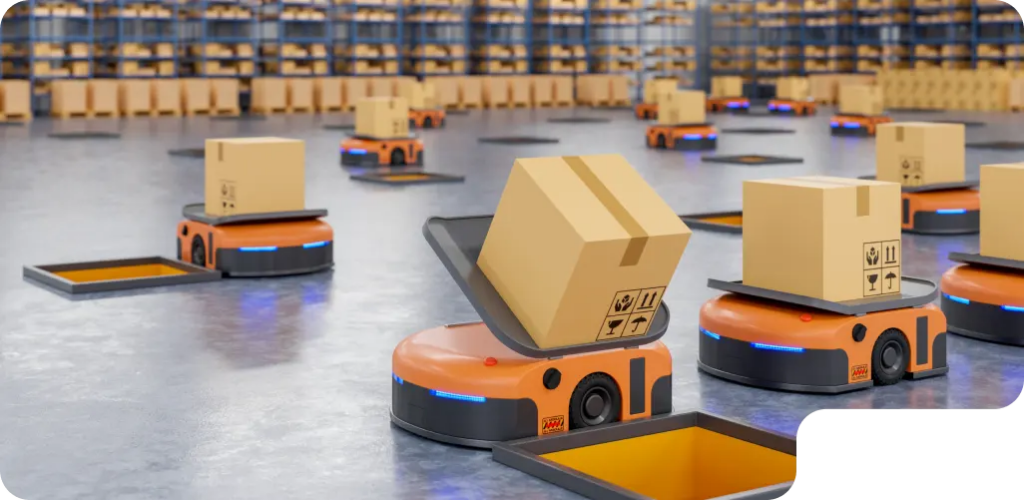
Third-party logistics providers handle warehousing, fulfillment, transportation, and distribution on behalf of ecommerce businesses. These providers specialize in logistics and supply chain management.
Advantages of Third-Party Logistics
Outsourcing fulfillment gives businesses access to established infrastructure, experienced teams, and advanced technology without large upfront investment. It allows operations to scale quickly and enables businesses to focus on product development, marketing, and growth.
Modern logistics providers often offer real-time visibility into inventory and orders, along with integrations that support omnichannel selling and fulfillment.
Disadvantages of Third-Party Logistics
Outsourcing can reduce direct control over fulfillment operations, which may affect visibility, communication, or quality assurance if not managed carefully. Businesses also become dependent on external partners and must evaluate costs, contracts, and service reliability closely.
How to Choose the Right Ecommerce Fulfillment Model
Selecting the appropriate fulfillment model requires careful evaluation of business needs, customer expectations, and long-term growth plans.
Location and Delivery Speed
Geographic proximity between inventory and customers plays a major role in shipping costs and delivery times. Businesses should consider whether a single warehouse or a multi-location network is needed to meet delivery expectations such as one- or two-day shipping.
Order Volume and Scalability
Smaller businesses may not initially require large-scale warehouse operations, but growth often brings fluctuating order volumes. Fulfillment models should support scalability during peak seasons, promotions, and rapid expansion.
Order Processing, Inventory Complexity, and Product Type
Different products require different handling, storage, and return processes. Businesses should assess how well a fulfillment model supports inventory tracking, SKU volume, returns frequency, and product-specific requirements such as fragility or special storage conditions.
Cost Structure and Financial Impact
Fulfillment costs include storage, order processing, shipping, and additional service fees. Evaluating the full cost structure helps determine whether a fulfillment model is financially sustainable and aligned with profit goals.
Optimizing Fulfillment for Long-Term Success
Customer expectations around delivery speed, accuracy, and convenience continue to rise. Meeting these expectations requires fulfillment operations that are efficient, flexible, and tailored to the business’s unique needs.
By choosing the right fulfillment model and continuously refining logistics processes, ecommerce businesses can strengthen customer trust, improve retention, and support sustainable growth from purchase through delivery.