
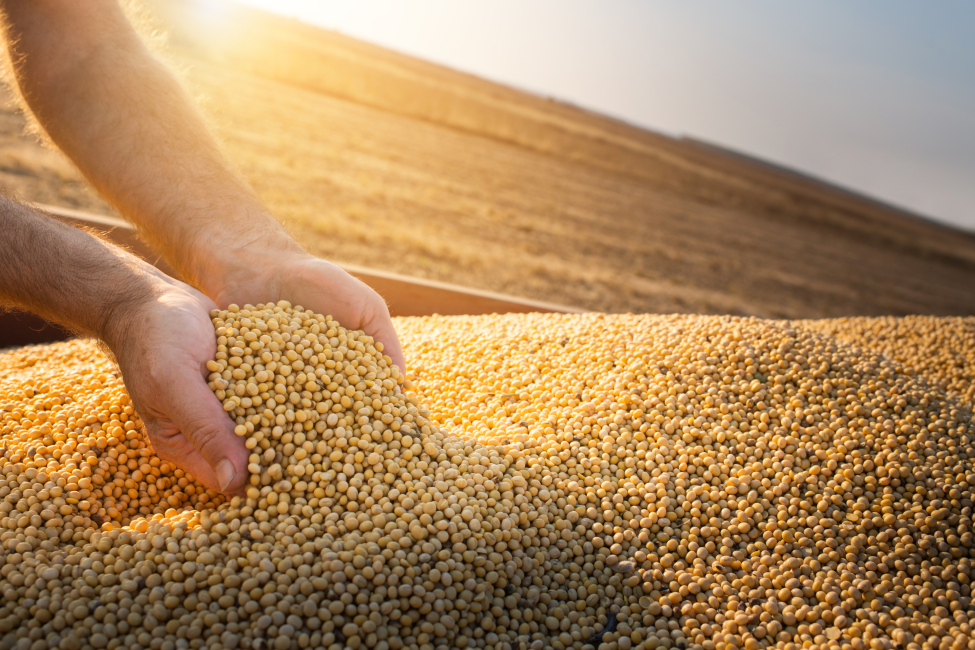
The price of soybeans today, March 19, 2026, is trading at approximately $11.65 per bushel (reported as 1,165 USd/BU). Despite a minor daily increase, prices are down roughly 5% over the last week as the market balances global supply stocks against shifting demand for agricultural commodities.
Soybean futures are primarily traded on the Chicago Mercantile Exchange (CBOT) in US cents per bushel. Prices in 2024 have generally ranged from approximately $10-$13 per bushel, down from the 2022 highs near $17/bushel driven by the Russia-Ukraine war’s impact on global grain and oilseed supplies.
Where to Track Soybean Prices Right Now
|
Source |
How to Access |
Ticker |
|---|---|---|
|
CME Group |
cmegroup.com/markets/agricultural |
ZS (futures) |
|
Yahoo Finance |
finance.yahoo.com |
ZS=F |
|
Investing.com |
investing.com/commodities |
Soybean Futures |
|
USDA |
apps.fas.usda.gov |
Official production data |
|
Barchart |
barchart.com |
Grain futures |
What Actually Moves Soybean Prices
Weather in the US Corn Belt and South America
The US (primarily Iowa, Illinois, Minnesota) produces roughly 35% of global soybeans. Brazil and Argentina together produce another 55%. Three countries = ~90% of global supply. Weather in these regions – droughts, excessive rain, timing of growing seasons – is the most immediate price driver.
The South American crop cycle (Brazil harvests February-April) and US crop cycle (harvested September-November) mean the global market essentially has two major supply events per year that dominate price action.
China’s Purchasing Decisions
China imports approximately 60% of all globally traded soybeans – primarily to feed hogs (China has the world’s largest pork industry, and pigs eat soybean meal). Chinese purchasing decisions, trade policy shifts, and the health of China’s hog population (African Swine Fever devastated it in 2019, with lasting effects on demand) all move global prices significantly.
The Brazil Factor
Brazil has become the dominant global soybean supplier over the past two decades. Brazilian Real exchange rate movements, infrastructure capacity (port congestion, trucking), and government export policies all affect the effective global price.
US-China Trade Relations
Soybeans were a primary target during the 2018-2019 US-China trade war – China reduced US soybean purchases and shifted to Brazil. This directly moved prices and altered trade flows. The relationship between US-China diplomatic and trade conditions is therefore a persistent background factor in soybean markets.
The Global Soybean Supply Chain: Simplified
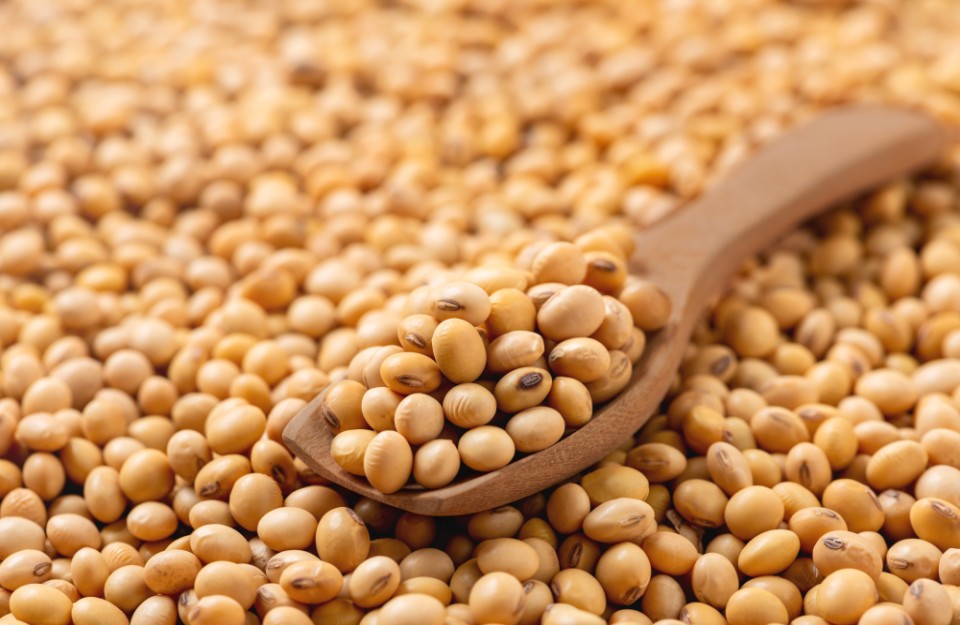
- Grown primarily in US, Brazil, Argentina
- Shipped to crushing facilities worldwide
- Crushed into: soybean meal (64% – fed to livestock) + soybean oil (18% – cooking, biodiesel) + hulls (8% – fiber in animal feed)
- Soybean meal feeds chickens, pigs, and cattle globally – making soybean prices indirectly embedded in the price of every chicken nugget, pork chop, and burger
Historical Price Context
|
Year |
Price Range (per bushel) |
Driver |
|---|---|---|
|
2006-2010 |
$5-$12 |
Rising demand, biofuel growth |
|
2012 |
~$17 |
Severe US drought (worst in 25 years) |
|
2016 |
~$9 |
Oversupply, good harvests |
|
2021-2022 |
$13-$17 |
Supply disruptions, Ukraine war |
|
2023-2024 |
$10-$13 |
Record South American harvests normalizing supply |
Soybeans and Your Food Costs
Soybean price changes feed into consumer food costs with a lag:
- Meat prices: Chicken and pork are the most direct – soybean meal is the primary protein in their feed
- Cooking oil prices: Soybean oil competes with canola, sunflower, and palm in global cooking oil markets
- Processed food: Soybean oil is a common ingredient in packaged foods
The 2021-2022 spike in soybean prices contributed to the broad food inflation experienced in 2022-2023. The subsequent price correction has contributed to slower food inflation in 2024.
Bottom Line
Today’s soybean price is tracked on the CBOT through the ZS futures contract – free on most financial platforms. The price is driven primarily by US and South American weather, Chinese demand, and trade policy. Soybeans are one of the most consequential commodities in the global food system despite receiving little public attention compared to oil or gold. When soybean prices move significantly, livestock prices follow within 3-6 months – making it one of the more predictive indicators of future food inflation available to ordinary observers.