
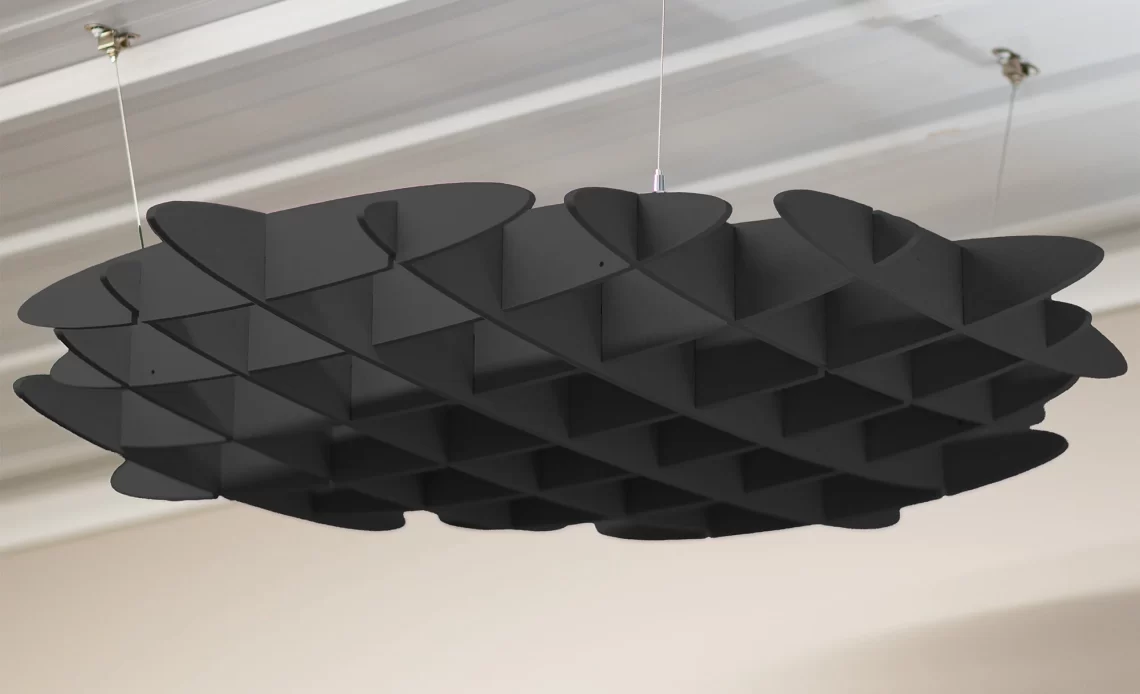
Acoustic ceiling panels are often seen as a quick fix for noisy or echo-filled spaces. Whether it’s a home office, a meeting room, or a retail environment, the idea seems straightforward: install panels on the ceiling and the sound problems should improve.
In many cases, they do help. But not always in the way people expect. Misunderstandings about what acoustic ceiling panels actually do often lead to disappointing results, even when the materials themselves are perfectly good.
If you are considering using them, it helps to clear up a few common misconceptions first. Getting these right can save both time and unnecessary expense.
Mistaking Sound Absorption for Soundproofing
This is probably the most common misunderstanding.
Acoustic ceiling panels are designed to absorb sound within a room. They reduce echo and improve clarity by controlling how sound reflects off surfaces. What they do not do is completely block sound from entering or leaving a space.
If noise from upstairs neighbours or external traffic is the main issue, ceiling panels alone will not solve it. That kind of problem requires soundproofing, which involves adding mass and sealing structural gaps.
Acoustic panels improve the sound of a room. They are not a barrier against external noise.
Assuming More Panels Automatically Means Better Results
It is easy to think that covering the entire ceiling will deliver the best outcome. In reality, this can lead to diminishing returns.
Once the main reflection points are treated, adding more panels often produces only small improvements. In some cases, it can even make the space feel overly dampened, where sound becomes flat or unnatural.
A more effective approach is to focus on placement. Targeting key areas where sound reflects most strongly usually delivers better results than installing panels everywhere.
Ignoring the Role of the Rest of the Room
Ceilings are only one part of the acoustic picture.
Sound reflects off walls, floors, furniture, and even large glass surfaces. Treating the ceiling alone may not be enough if other surfaces remain highly reflective.
For example, a room with bare walls and tiled flooring may still feel echoey even after ceiling panels are installed. In these cases, combining ceiling treatment with rugs, curtains, or wall panels creates a more balanced result.
Looking at the room as a whole leads to better outcomes than focusing on a single element.
Overlooking Panel Placement Height and Coverage
Not all ceiling installations are equally effective.
In rooms with higher ceilings, panels placed too high may have limited impact on everyday sound. Sound reflections that affect speech and listening typically occur closer to ear level.
Suspended or dropped ceiling panels can sometimes perform better in these situations, as they intercept sound more directly.
Coverage also matters. A few well-placed panels above key areas, such as desks or seating zones, often outperform evenly spaced panels that do not align with how the room is used.
Expecting Instant Silence
Acoustic ceiling panels improve clarity, not silence.
After installation, the room may feel calmer and more controlled, but it will not be completely quiet. Conversations will still be heard, and external noise will still exist to some extent.
The improvement is usually more noticeable in how sound behaves. Speech becomes easier to understand, background noise feels less overwhelming, and the overall environment becomes more comfortable.
Setting the right expectations helps avoid disappointment.
Choosing Panels Based on Appearance Alone
Design is important, especially in homes and commercial spaces. Many acoustic ceiling panels come in sleek, modern styles that blend well with interiors.
However, performance should not be overlooked.
Panels vary in thickness, density, and material, all of which affect how well they absorb sound. Choosing purely based on appearance may result in panels that look good but do not perform as needed.
Balancing aesthetics with acoustic performance ensures that the panels deliver both visual and functional value.
Forgetting About Installation Quality
Even high-quality panels can underperform if they are not installed correctly.
Gaps between panels, incorrect mounting, or uneven spacing can reduce their effectiveness. Proper installation ensures that panels are positioned to intercept sound reflections as intended.
For more complex spaces, it may be worth consulting a professional to get the placement right from the start.
Not Matching Panels to the Purpose of the Room
Different spaces have different acoustic needs.
A home office may require clear speech for calls and meetings. A living room might prioritise balanced sound for entertainment. A commercial space could need to reduce overall noise levels for comfort.
Using the same type and layout of panels for all situations does not always work. Tailoring the setup to the specific use of the room leads to better results.
Final Thoughts
Acoustic ceiling panels are a valuable tool for improving sound quality, but they are often misunderstood.
They are not a one-step solution for all noise issues, nor do they replace the need for a broader acoustic strategy. Their effectiveness depends on how they are selected, placed, and integrated with the rest of the space.
By understanding what they can and cannot do, you can use them more effectively and achieve a result that feels natural, balanced, and genuinely comfortable. In many cases, it is not about adding more panels, but about using them more thoughtfully.