
Does bottle weight matter daily?
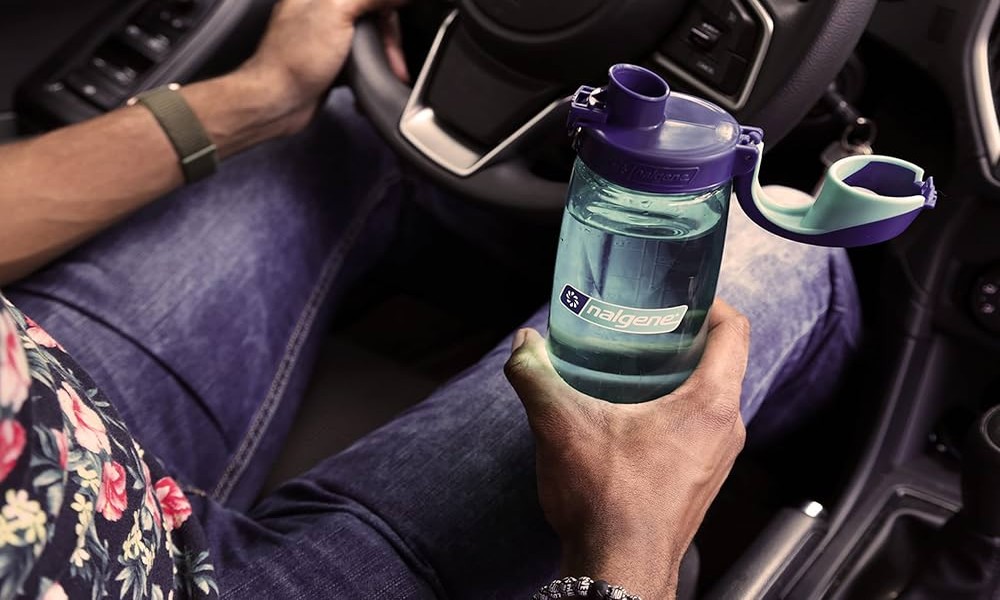
Comfort connects directly to bottle weight, and that relationship becomes more noticeable across longer carry durations. A bottle that feels manageable at the start of a commute adds cumulative strain to a shoulder bag by mid-afternoon, particularly when other items share the same carry load. Empty weight sets the baseline, but filled weight is what the body actually manages throughout the day across every movement between locations. Nalgene water bottles are constructed to keep empty weight low while maintaining the structural integrity needed for consistent daily handling. By sacrificing durability for weight reduction, the vessel can develop cracks, seal failures, and gradual deformation after weeks of regular use. Carry comfort is not solely about how light a bottle feels when picked up. It is about how consistently that weight remains manageable across varied carry contexts, durations, and physical demands throughout a full day.
Is there a comfortable bottle weight?
Comfort thresholds shift depending on how the bottle is carried rather than how much it weighs. A bottle held in the hand places weight directly in the grip, where lighter formats reduce fatigue over distance. A bottle sitting in a bag pocket distributes weight across the shoulder. Internal placement and load balance affect comfort more than the bottle weight in isolation.
External clip carries during hiking or cycling introduce movement dynamics that static bag carry does not replicate. A heavier vessel shifts during activity, affecting stride balance and pack stability in ways that become more pronounced across longer distances. Matching bottle weight to the primary carry method used daily produces more consistent comfort than selecting based on volume capacity alone. This is without considering how the bottle travels between locations throughout the day.
Empty versus filled weight
Empty bottle weight is the figure most people reference when comparing vessels, but filled weight is what the body carries across hours of daily use. A mid-range format filled adds load that compounds during extended carry, while a larger format adds proportionally more weight that becomes most relevant during physically active carry situations where movement efficiency matters.
The practical approach is to assess filled weight against the intended carry method and duration rather than comparing empty weights between options. A vessel that feels negligible when empty can feel genuinely burdensome after several hours of shoulder carry during a warm-weather commute or sustained outdoor activity. Volume requirements and carry comfort are separate considerations that both need to be weighed against each other before a size decision produces a satisfactory daily outcome.
Weight distribution in bags
How a bottle sits within a bag affects carry comfort as much as bottle weight? A tall vessel placed along the bag spine distributes weight vertically and keeps the load close to the back. This reduces the outward pull that strains the shoulder during extended carry periods. A vessel placed at the base of the bag lowers the centre of gravity. This improves overall stability but reduces accessible interior space for other daily carry items.
Side pocket placement keeps the bottle accessible for quick refills and drinking during movement. It shifts weight laterally across one shoulder when carried alone over long distances. Each placement position produces a different comfort outcome depending on bag design, carry duration, and activity type. Adjusting bottle placement within a bag is a minor change that produces a noticeable difference in how carry weight is experienced across a full day of movement between varied locations and environments.