
Understanding High Torque Flexible Couplings: The Basics Unleashed
What Sets High Torque Flexible Couplings Apart?
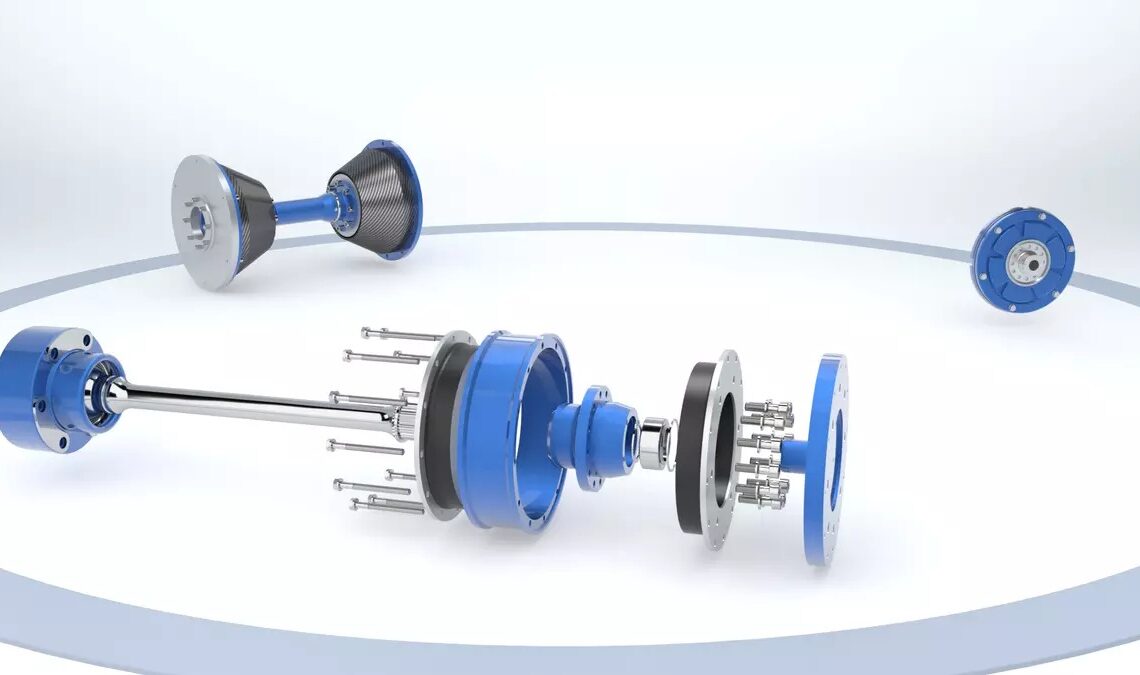
High torque flexible couplings are specialized mechanical devices designed to connect two shafts while allowing for a degree of misalignment, axial movement, and the accommodation of vibrations. Unlike rigid couplings, which provide a solid connection between two shafts, high torque flexible couplings maintain operational efficiency across various conditions. What sets these couplings apart is their ability to transmit significant amounts of torque and power while effectively compensating for misalignments that arise from thermal expansion, structural shifts, or dynamic loading. Their inherent flexibility minimizes wear on connected components and the systems they operate within, making them invaluable in many industrial applications. Additionally, high torque flexible couplings are engineered to accommodate the unique operational demands of different industries. Their design often includes features such as a torsionally soft structure, which absorbs shocks and reduces stress concentration, leading to longer component life and fewer maintenance needs. This versatility means that they can be found in everything from high-speed motors and generators to heavy-duty pumps and fans, illustrating their essential role in modern mechanical systems.
The Science of Torque: How It Works in Couplings
Torque, often described as rotational force, is a central concept when it comes to understanding couplings. In the realm of high torque flexible couplings, torque is transmitted through the coupling from one shaft to the other, allowing for the engine or motor to efficiently power the connected machinery. The coupling’s design, which often incorporates materials with high tensile strength and flexibility, enables the transmission of this force while accommodating misalignments and reducing vibration. When the torque exceeds the standard operating parameters, flexible couplings exhibit a characteristic that allows them to effectively dissipate excess energy, providing a buffer that protects other system components. This process not only enhances safety but also reduces the potential for catastrophic failures. Furthermore, high torque flexible couplings can be designed with various damping characteristics, which can be tailored to the application’s specific needs, enhancing the system’s responsiveness and stability during operation.
Materials That Matter: The Engineering Behind Couplings
The engineering of high torque flexible couplings is deeply rooted in material science. Common materials used in the construction of these couplings include advanced polymers, metals, and rubber compounds that possess durability, flexibility, and resistance to wear and corrosion. For instance, elastomeric materials are often utilized for their ability to absorb shocks and provide a buffer against vibrations. Metal couplings, typically made from stainless steel or aluminum, are used in high-temperature applications where flexibility and strength are critical. Innovative design techniques, such as computer-aided design (CAD) and finite element analysis (FEA), are employed to optimize the performance of couplings. These technologies allow engineers to simulate the behavior of a coupling under various loads and operating conditions, helping them develop products that meet exacting industry standards. The choice of material in conjunction with the design determines not just the physical properties of the coupling but also its performance longevity, efficiency, and capacity to handle the demanding requirements of specific applications.
The Benefits of Using High Torque Flexible Couplings in Modern Industries
Enhancing Reliability: Why These Couplings Reduce Downtime
One of the standout benefits of high torque flexible couplings is their ability to enhance system reliability. Downtime in industrial settings can have catastrophic financial implications, often reaching into the thousands of dollars per hour. High torque flexible couplings are engineered to minimize unexpected breakdowns due to their flexibility, which reduces the stress on connected systems. Especially in applications like power generation and manufacturing processes, where machinery operates continuously, the reliability furnished by these couplings translates into consistent operational time and significant cost savings. Additionally, regular maintenance can be streamlined due to the lower wear and tear that such couplings introduce into a system. By compensating for misalignments and absorbing vibrations, high torque flexible couplings help maintain the integrity of other mechanical components, thus necessitating less frequent service interventions. The cumulative effect of these attributes fosters an environment where productivity can thrive uninterrupted, benefiting businesses with greater profit margins and improved service capabilities.
Vibration Damping and Noise Reduction: A Smoother Operation
Vibration damping is one of the critical functions of high torque flexible couplings. Excessive vibration not only leads to component fatigue but also contributes to operational noise that can pose health risks to workers and contribute to environments that are unpleasant and potentially hazardous. High torque flexible couplings mitigate these issues through their inherent flexibility, which dissipates vibrational energy before it can propagate through the system. By reducing noise generated during operation, these couplings contribute to a safer workplace and enhance the overall operator experience. This characteristic is particularly evident in environments like transportation, where smooth operation is crucial for both comfort and safety. Industries are increasingly prioritizing quieter, more efficient machinery, and high torque flexible couplings are at the forefront of achieving these goals.
Cost-Efficiency: Long-Term Savings in Maintenance and Performance
While the initial investment in high torque flexible couplings may appear substantial, their long-term cost benefits far outweigh these considerations. Industries that incorporate these couplings often witness a decrease in maintenance costs due to their reliability and low wear traits. Fewer breakdowns lead to decreased replacement part expenditures and reduced labor costs linked with frequent repairs. Moreover, the durable nature of high torque flexible couplings means that they tend to have longer operational lifespans compared to traditional rigid couplings. This longevity results in less frequent replacements, further solidifying their cost-efficient nature. In various sectors, like oil and gas or mining, where operations run continuously, the adoption of high torque flexible couplings can yield remarkable savings over time, allowing companies to channel resources more effectively.
Real-World Applications of High Torque Flexible Couplings: Where the Magic Happens
Power Generation: Keeping the Energy Flowing Smoothly
The power generation industry is a critical arena for the application of high torque flexible couplings. In wind turbines, for example, these couplings facilitate the connection between the rotor and the generator, effectively accommodating any misalignment that may occur due to environmental forces. Similarly, in thermal and hydropower plants, these couplings play significant roles in driving generators while maintaining efficiency and reducing mechanical stress. Furthermore, the versatility of high torque flexible couplings extends to renewable energy sources, such as biogas and solar energy projects, where the demand for reliability and flexibility is paramount. The ability to install and operate high torque flexible couplings without necessitating strict alignment procedures makes them ideal for dynamic and evolving energy systems.
Automotive Industry: Behind the Scenes of High-Performance Engines
In the automotive sector, high torque flexible couplings are indispensable in the implementation of efficient powertrains. They are used in both traditional combustion engines and in electric vehicle (EV) applications, connecting various components such as the engine and transmission. Their flexible nature enables the accommodation of vibrations and torsional fluctuations that come from engine performance, ensuring smoother operation during acceleration and deceleration. Moreover, as industries shift towards electrification and hybrid systems, high torque flexible couplings are poised to play vital roles due to their ability to handle high rotational speeds and torque values characteristic of modern drivetrains. Their integration into advanced automotive systems helps manufacturers optimize performance, enhance vehicle longevity, and improve fuel efficiency.
Aerospace Innovations: Engineering Safety and Precision
In the aerospace industry, precision and reliability are non-negotiable. High torque flexible couplings are engineered to meet stringent safety standards, facilitating connections in various systems, including landing gear, propulsion systems, and actuators. Their lightweight yet high-strength attributes are designed to minimize the overall weight of aircraft while ensuring robustness under varying operational conditions. Furthermore, advancements in aerospace technology necessitate components that can withstand extreme temperatures and pressures. High torque flexible couplings, made from advanced aerospace-grade materials, are capable of handling these environmental challenges, making them ideal for use in both commercial and military applications. Their role in enhancing safety and performance contributes to the overall reliability of aerospace operations, where the stakes are as high as lives involved.
Choosing the Right High Torque Flexible Coupling for Your Needs
Factors to Consider: Size, Load Requirements, and Environment
Selecting the correct high torque flexible coupling is a multi-faceted decision that hinges on various factors, including size, load requirements, and operating conditions. Sizing is critical: a coupling must be appropriately matched to the shaft diameters and torque capacities. If a coupling is undersized, it can lead to failure under operational stress, whereas oversized couplings can introduce unnecessary weight and complexity. Load requirements pertain not just to static loads, but also to dynamic forces that may occur during operation. For instance, applications that experience high inertia or frequent directional changes need couplings that can withstand such stresses over time. Environmental considerations, such as temperature fluctuations, exposure to corrosive substances, and cleanliness requirements, must also guide material selection and design.
Common Pitfalls: Mistakes to Avoid When Selecting Couplings
While the selection process can seem straightforward, several common pitfalls can lead to suboptimal performance or component failure. A frequent mistake is neglecting to account for the operational environment, which can severely impact the life expectancy of a coupling if it is not suited for its surroundings. Additionally, underestimating vibration and misalignment levels can lead to choosing a coupling that fails to provide adequate performance, resulting in increased maintenance needs and operational downtime. Another common oversight is failing to consider the entire system’s dynamics. It is vital to evaluate not just the coupling itself but how it interacts with other components. Ignoring this relationship can lead to performance inconsistencies and damage over time.
The Future of Coupling Technology: Trends to Watch
As technology evolves, so do the design and manufacturing processes for high torque flexible couplings. One significant trend involves the integration of smart sensors into coupling systems, allowing manufacturers to monitor performance and detect faults in real time. This development could revolutionize maintenance schedules and preventive strategies, leading to enhanced system reliability. Another trend is the increasing focus on sustainability. As industries become more environmentally conscious, lightweight, and biodegradable materials are being explored for coupling designs. This shift aligns with global targets aimed at reducing carbon footprints, making it imperative for coupling manufacturers to adapt to these emerging demands. Finally, additive manufacturing or 3D printing is pushing the boundaries of traditional coupling production techniques. This technology allows for rapid prototyping and the creation of complex geometries that may be impossible or impractical to achieve with conventional methods, opening new avenues for performance advancement within high torque flexible couplings. In conclusion, the diversity and capability of high torque flexible couplings render them essential in modern mechanical applications. Their unique benefits and adaptability to various industries underscore their importance as we move forward into a technology-driven future. As the demand for efficiency, reliability, and sustainability grows, high torque flexible couplings are poised to remain at the forefront of engineering innovation.