
Every construction manager knows how stressful it can get when a project starts running smoothly and then suddenly gets hit by a noise complaint. The work stops, the team gets frustrated, and deadlines start slipping away. All that just because the site was a little too noisy.
Noise might seem like a small issue at first, but in today’s urban environment, it can easily snowball into serious delays, penalties, or even damaged client relationships. The good news is that keeping noise under control does not have to cost a fortune. In fact, some of the most effective noise management solutions are surprisingly affordable and can actually save your business money in the long run.
Let’s look at a few smart ways to reduce noise that won’t break your budget but will help you stay productive, compliant, and on good terms with the community.
1. Reusable Noise Barrier Sheets
If you are working in a busy city or a residential area, reusable noise barrier sheets are one of the best investments you can make. These sheets are designed to block and absorb sound before it leaves your site. They can be easily attached to temporary or portable fencing, hoardings, or scaffolding, and once you have them, you can reuse them on future projects.
Noise barrier sheets are lightweight, weather-resistant, and durable. They do not just help with noise; they also make your site look more professional and organised. Many contractors find that after the first few uses, these sheets have already paid for themselves by preventing costly downtime and keeping neighbours happy.
2. Plan Noisy Work During the Right Hours
One of the simplest ways to avoid noise-related complaints is by planning your work schedule carefully. Try to carry out the loudest tasks, like drilling or piling, during the middle of the day when most people are out and about. Avoid working late at night or too early in the morning when the noise is more likely to disturb nearby residents.
Good scheduling does not cost anything, yet it makes a huge difference. A few thoughtful adjustments can help you finish your work faster and reduce the chances of project interruptions caused by complaints or inspections.
3. Keep Your Machinery in Good Condition
A lot of unnecessary noise on the site comes from machines that are not properly maintained. Old or worn-out equipment tends to rattle, vibrate, and hum much louder than it should.
Regular maintenance can prevent that. Tightening loose bolts, replacing worn parts, and lubricating moving components keep your equipment more efficient. You’ll also avoid unexpected breakdowns that could delay your project and cost even more to repair later.
Keeping machinery in top shape might sound like a small thing, but it helps create a safer and more productive environment for your team.
4. Upgrade Your Temporary Fencing
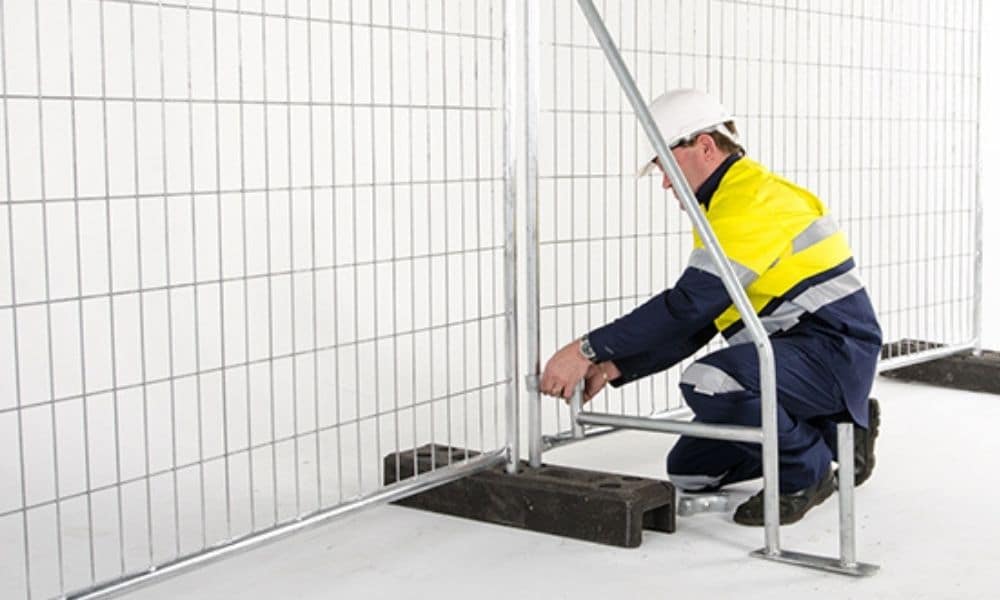
Temporary fencing is already a must-have on construction sites for safety and security. But what if it could also help you manage noise? By attaching noise barrier panels or sheets to your fencing, you instantly create an extra sound buffer that reduces the amount of noise escaping into surrounding areas.
This small upgrade is one of the easiest and most cost-effective ways to manage sound. Plus, it improves your site’s appearance by replacing plain metal fencing with something that looks neat, branded, and professional.
5. Train Your Crew to Work Efficiently
Sometimes, the simplest solutions come down to awareness. When your team understands what activities create unnecessary noise, they can make small changes that have a big impact.
Encourage your workers to avoid shouting across the site, dropping tools, or leaving machines running when not in use. Instead, promote habits like signalling, communicating clearly, and keeping work areas organised.
This kind of training does not take much time, but it builds a more considerate and efficient work culture. Over time, your crew becomes more mindful, which leads to fewer noise issues and a smoother workflow overall.
6. Use a Noise Monitoring System
If you want to be proactive, consider using a noise monitoring system. These devices measure sound levels around your site in real time, giving you a clear picture of what is happening.
If noise levels start creeping up, you can take action before anyone complains. The data also helps you stay within local noise regulations and provides proof of compliance if an issue ever arises.
It is a small investment that saves you from potential fines or work stoppages. Think of it as a form of insurance that protects your project and reputation.
7. Keep the Community Informed
One of the easiest ways to prevent complaints is to simply communicate. Before starting a project, reach out to nearby residents or businesses to let them know what to expect. Share your working hours, the project timeline, and the steps you are taking to control noise.
When people feel informed, they are far more understanding. A short notice or a polite update can go a long way in building goodwill and avoiding unnecessary tension. It shows that your company takes responsibility and respects the community it works in.
Final Thoughts
Noise is part of construction, but it does not have to cause problems. With a few small investments and smart strategies, you can manage sound effectively while saving time, money, and stress.
Reusable noise barriers, regular equipment checks, smart scheduling, and open communication are all simple steps that add up to a huge difference. They keep your site compliant, your workers focused, and your neighbours happy.
In the end, managing noise is not just about following the rules. It is about protecting your bottom line, maintaining your reputation, and creating a more sustainable way to build in today’s busy urban environment.